

Simplifying Needle Felting: Essential Tools and Tips for Beginners
Embarking on a needle-felting adventure is an exciting journey into the world of creative expression and tactile artistry. If you're new to this craft, you might wonder about the essential tools and techniques to get started. Fear not! In this guide, I'll share my preferences and recommendations based on years of teaching and personal experience.
1. Felting Needles: The Heartbeat of Your Craft
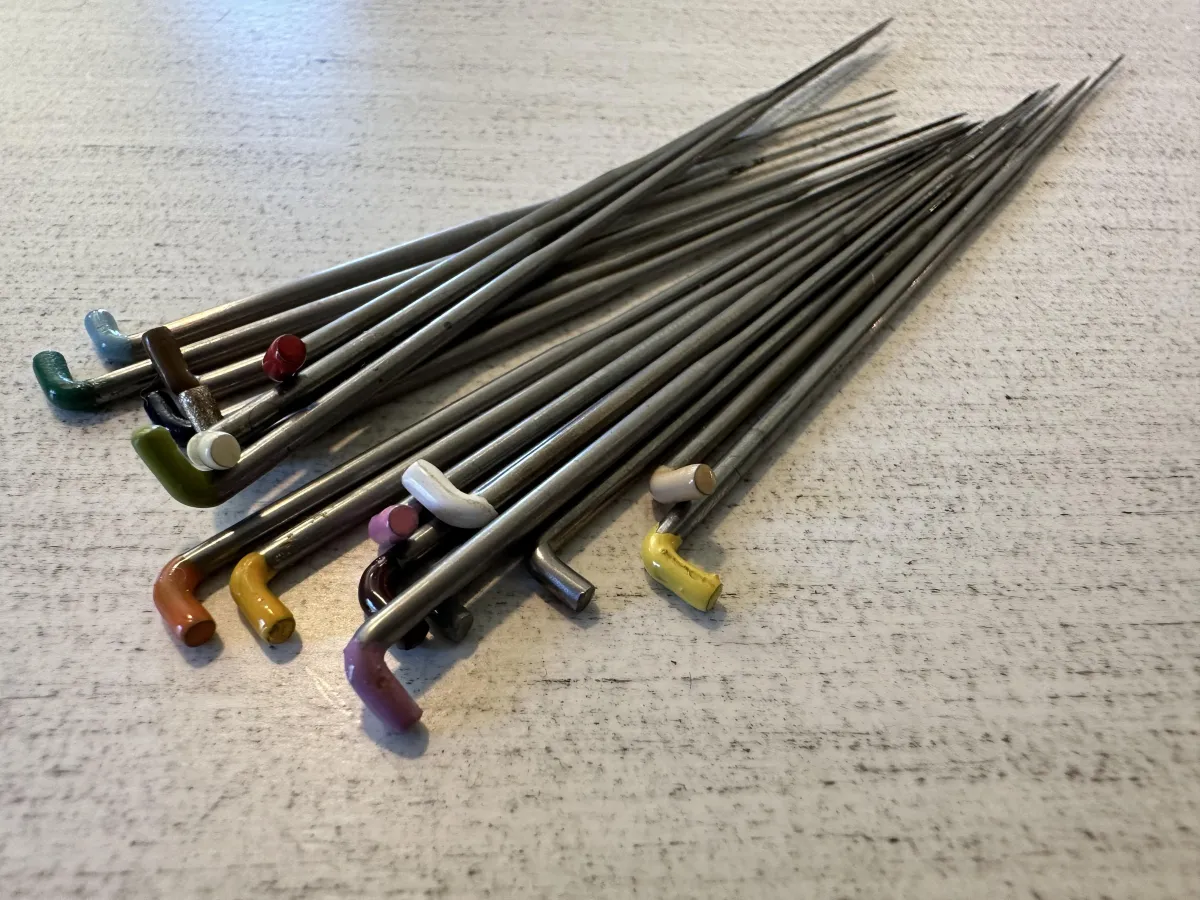
At the core of needle felting are, unsurprisingly, felting needles. Basic triangular needles are a must-have for beginners. You'll want to stock up on gauges 32, 36, 38, 40, and 42. Each gauge offers a different felting experience, so don't be afraid to experiment and find what works best for you. Keep in mind that higher numbers in the gauge mean finer needles and lower numbers mean coarse needles.
I gravitate towards gauges 38, 40, and 42 for their precision and control. However, your preference may vary based on your temperament and felting style. If you're a swift mover who likes to work quickly, a gauge 32 needle might be your ally. As your felting project gets denser (more felted) you should switch to a finer needle to continue your work.
2. Needle Holders and Multi-Tools: Nice-to-Haves
While needle holders can make gripping the needle more comfortable, they're not essential for beginners. If you struggle with holding small objects, investing in a needle holder might be beneficial. However, multi-tools, though versatile, can be expensive and aren't necessary in the early stages of your felting journey.
Remember, you can accomplish everything with just one needle. Save the investment for when you're certain needle felting is your passion.
3. Felting Surface: Protecting Your Needles, Unleashing Your Creativity
A felting surface is a must-have to protect your needles from hitting hard surfaces and potential breakage. While there are various options available, even an old pillow can serve as a suitable felting surface. Please just be sure to gently lift off your work to prevent the fiber from embedding.
4. Choosing the Right Fiber: Short vs. Long
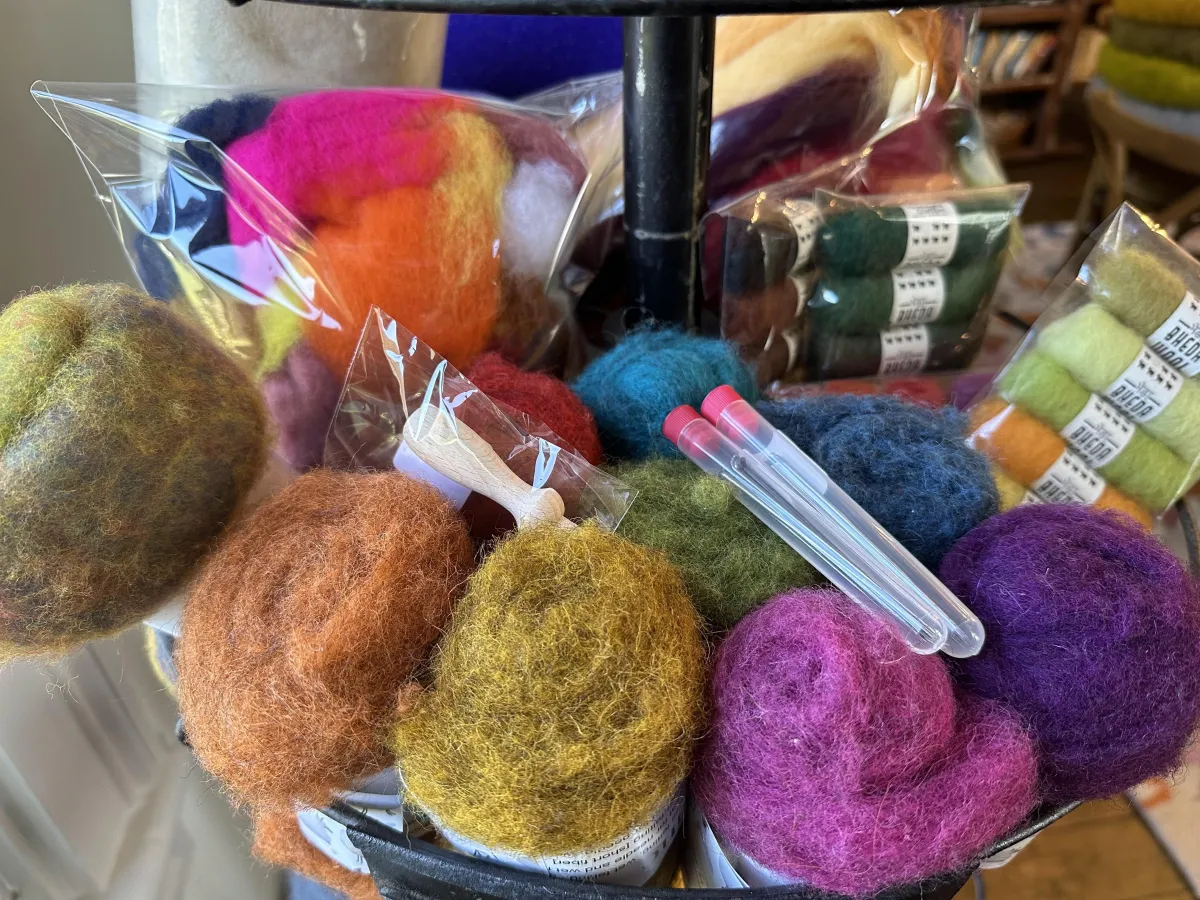
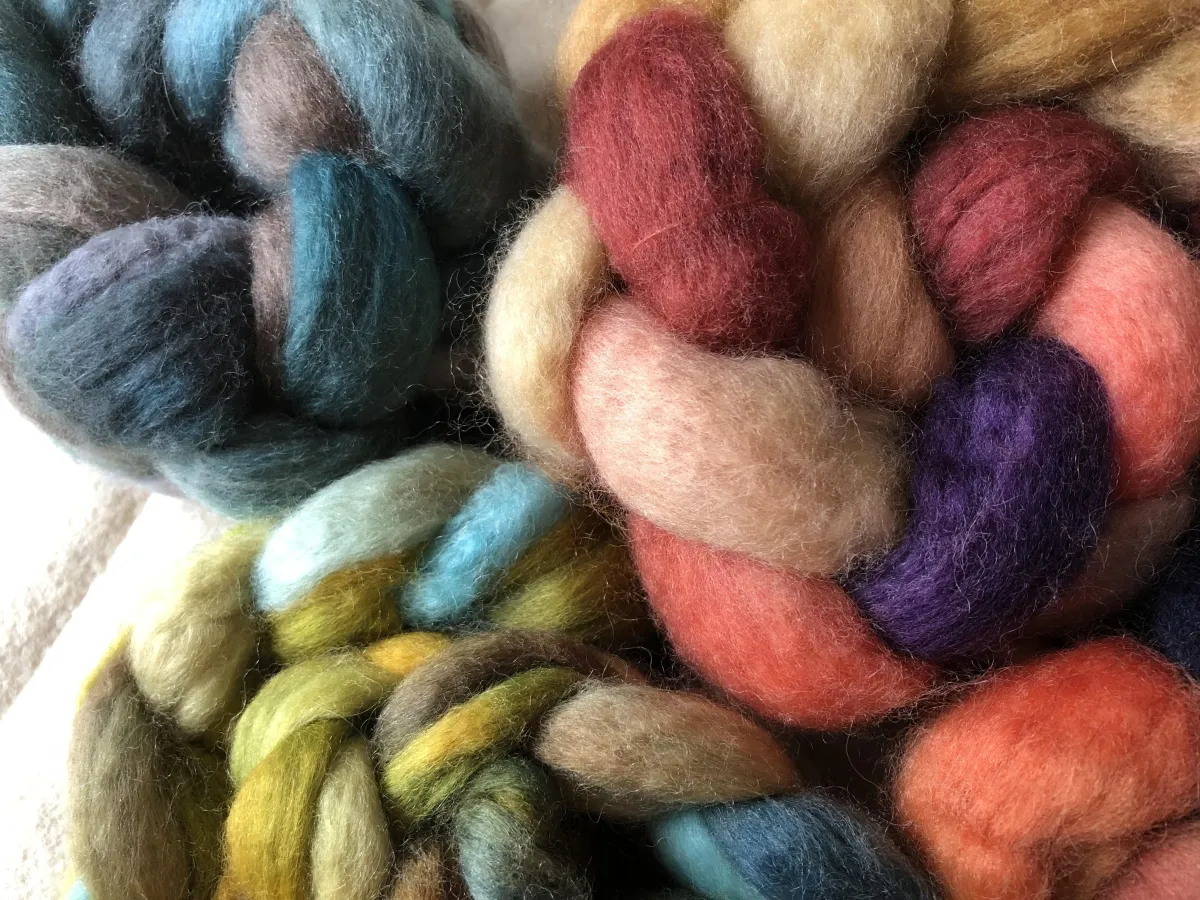
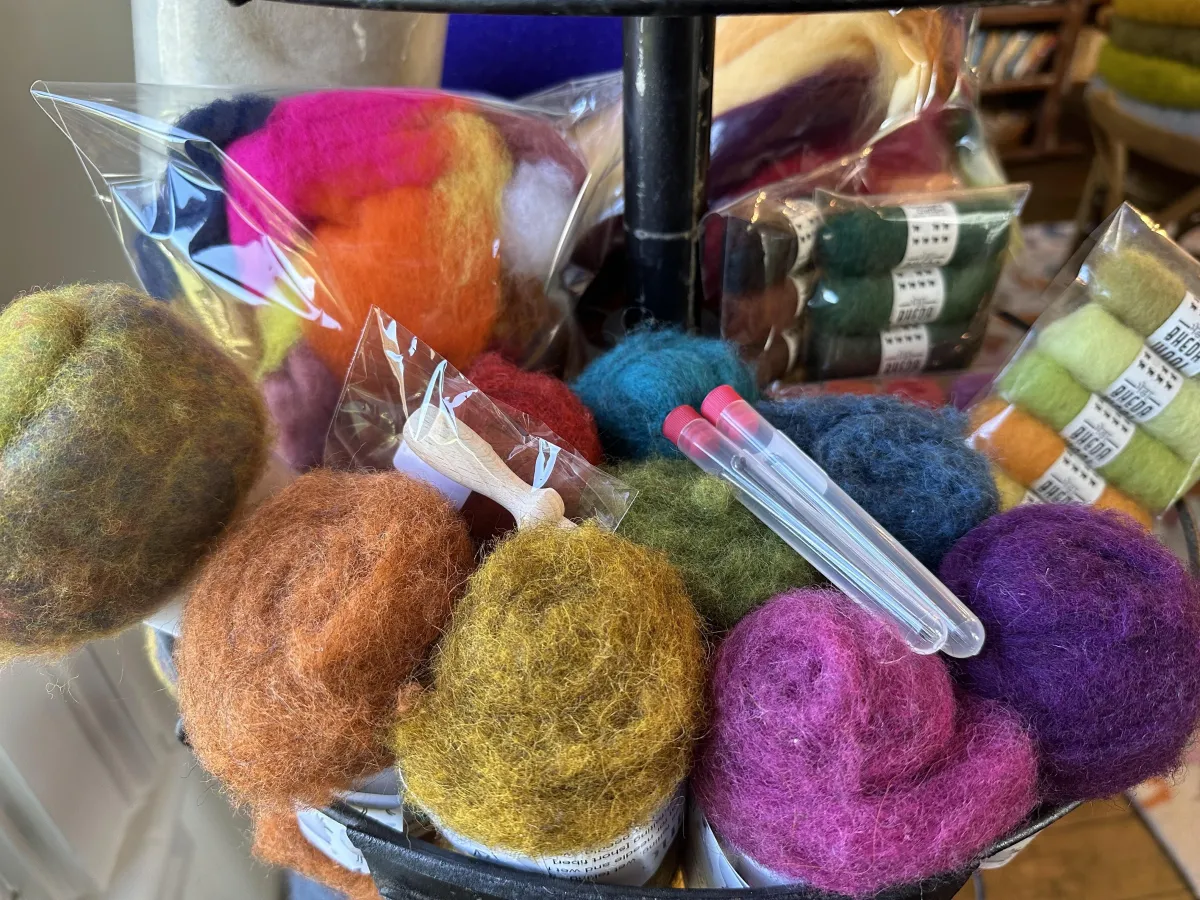
For novice needle-felters, I recommend starting with short fibers, also known as carded fleece or batting. These fibers are forgiving and blend easily, making them perfect for beginners. Long fibers, or roving, offer beauty but are slightly more challenging to work with. However, if you're working with wire armatures, long fibers are easier to wrap around and require less needle felting.
In Conclusion
As you embark on your needle-felting journey, remember that experimentation and exploration are key. Don't hesitate to try new tools, techniques, and fibers to find what resonates with you. With patience, practice, and a sprinkle of creativity, you'll soon be crafting charming felted creations that bring joy and wonder to your world. Happy felting!